



Try it for free and see how you can learn how to distinguish

With every purchase in
Try it for free and see how you can learn how to distinguish
With every purchase in
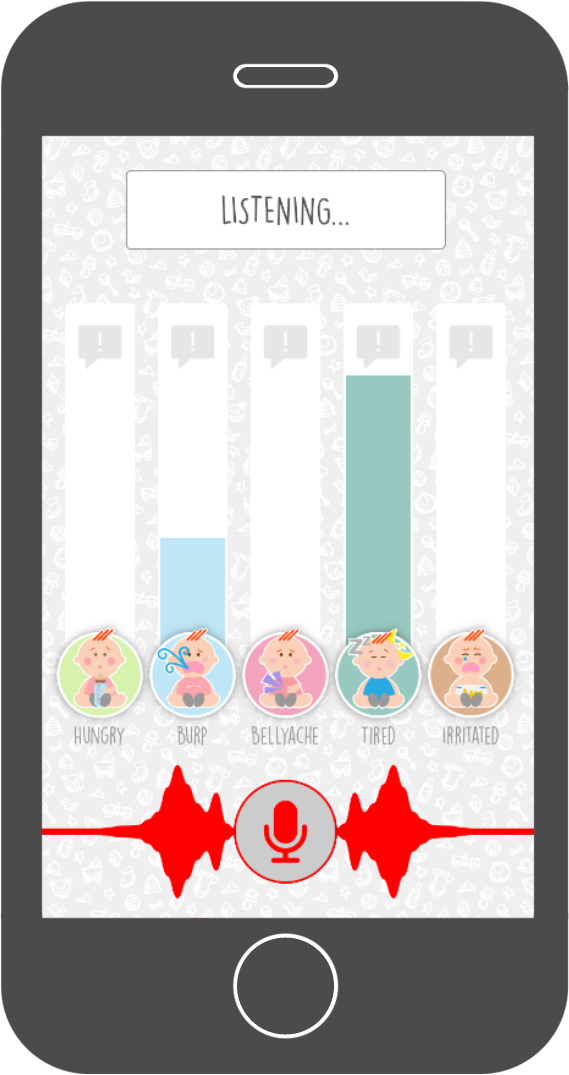
The Baby Language app teaches you the ability to distinguish different types of baby cries yourself. It comes with a support tool to help you in the first period when learning to distinguish baby cries. It points you in the right direction by real-time distinguishing baby cries and translating them into understandable language.
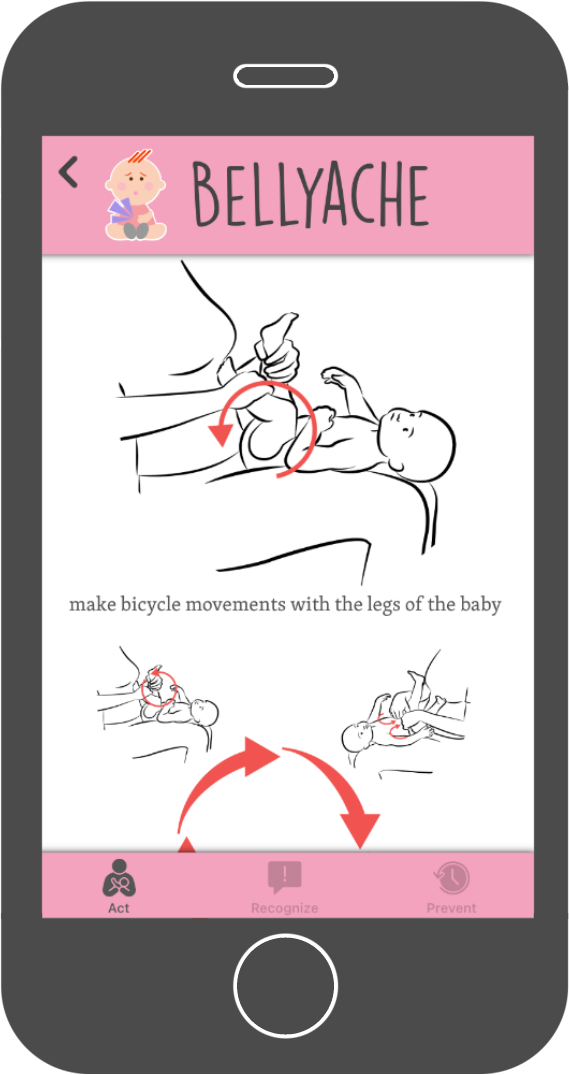 The Baby Language app shows you many different ways on how to handle each specific cry. It provides you with lots of information and illustrations on how to prevent or reduce all different kind of cries.
Symbolism and Iconography Rina’s symbols reflect ambivalence. She is often depicted with a split mask—one side smiling, the other contorted—signifying duplicity and the thin line between charm and harm. Her eyes are described as quicksilver: reflecting intentions but never revealing them. The common offerings to her are small, sharp things—pins, thorns, bitter herbs—objects that can cause irritation without outright destruction. Seasonal festivals in her honor are subtle: practical jokes that teach humility or staged slights that prompt reconciliation, rituals designed as social pressure valves rather than overt celebrations of cruelty.
Psychological and Social Dimensions Psychologically, Rina represents the shadow—those parts of self denied by polite society. Her tales invite listeners to acknowledge envy, resentment, and vindictiveness as signals rather than sins to be repressed. Socially, her presence warns of the costs of ignoring grievances. Rituals and stories about Rina serve as mechanisms for airing tensions safely: sanctioned mischief or symbolic retribution diffuses real harm. In societies that revere or fear her, social practices often include confession, apology, and restitution as counters to the escalation Rina personifies.
Narrative Roles In myth and folktale, Rina functions as antagonist, trickster, and, paradoxically, moral corrector. As antagonist, she exploits jealousy and pride: lovers misconstrue gestures, neighbors misread intentions, and hierarchical injustices widen into revenge. As trickster, she delights in exposing hypocrisy—arranging circumstances that make hidden faults visible, forcing characters to confront their dishonesty. In the role of moral corrector, Rina enacts consequences for complacency: a town that allows petty mistreatment to fester finds its leaders undermined, compelling reform. Stories thus present malice as an engine that, while painful, can reveal necessary truths.
Literary and Cultural Resonance Authors and artists invoke Rina Kentepub to explore moral ambiguity. In literature, she is a catalyst for character development: protagonists confronted by her machinations must choose accountability over denial. Her motif appears in genres that dwell on human frailty—gothic tales, dark comedies, and social satires—where small cruelties accumulate into dramatic consequences. Modern retellings recast her as a nuanced antagonist or antihero, reflecting contemporary interest in morally complex figures who force reckoning rather than simple punishment.

Founder and Developer

UI/UX Designer

Dutch translator
and coordinator

Webdesigner god of malice rina kentepub work

Spanish translator

French translator

Italian translator The common offerings to her are small, sharp

German translator

Indonesian translator

Portuguese translator Her tales invite listeners to acknowledge envy, resentment,

Russian translator

3D Graphic artist

Arabic translator

Magazine
Thanks to Baby Language I really got to know my child better. I now know how to find out what is bothering him and more important; How to prevent his inconveniences. He hardly cries

Technology News Website
Baby Language one of the must have
if you are a parent with small
TechWibe
Symbolism and Iconography Rina’s symbols reflect ambivalence. She is often depicted with a split mask—one side smiling, the other contorted—signifying duplicity and the thin line between charm and harm. Her eyes are described as quicksilver: reflecting intentions but never revealing them. The common offerings to her are small, sharp things—pins, thorns, bitter herbs—objects that can cause irritation without outright destruction. Seasonal festivals in her honor are subtle: practical jokes that teach humility or staged slights that prompt reconciliation, rituals designed as social pressure valves rather than overt celebrations of cruelty.
Psychological and Social Dimensions Psychologically, Rina represents the shadow—those parts of self denied by polite society. Her tales invite listeners to acknowledge envy, resentment, and vindictiveness as signals rather than sins to be repressed. Socially, her presence warns of the costs of ignoring grievances. Rituals and stories about Rina serve as mechanisms for airing tensions safely: sanctioned mischief or symbolic retribution diffuses real harm. In societies that revere or fear her, social practices often include confession, apology, and restitution as counters to the escalation Rina personifies.
Narrative Roles In myth and folktale, Rina functions as antagonist, trickster, and, paradoxically, moral corrector. As antagonist, she exploits jealousy and pride: lovers misconstrue gestures, neighbors misread intentions, and hierarchical injustices widen into revenge. As trickster, she delights in exposing hypocrisy—arranging circumstances that make hidden faults visible, forcing characters to confront their dishonesty. In the role of moral corrector, Rina enacts consequences for complacency: a town that allows petty mistreatment to fester finds its leaders undermined, compelling reform. Stories thus present malice as an engine that, while painful, can reveal necessary truths.
Literary and Cultural Resonance Authors and artists invoke Rina Kentepub to explore moral ambiguity. In literature, she is a catalyst for character development: protagonists confronted by her machinations must choose accountability over denial. Her motif appears in genres that dwell on human frailty—gothic tales, dark comedies, and social satires—where small cruelties accumulate into dramatic consequences. Modern retellings recast her as a nuanced antagonist or antihero, reflecting contemporary interest in morally complex figures who force reckoning rather than simple punishment.