
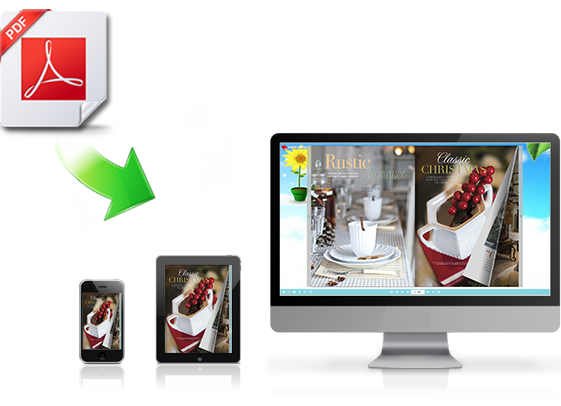


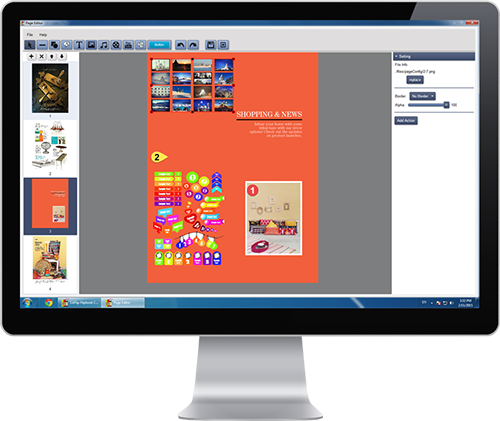
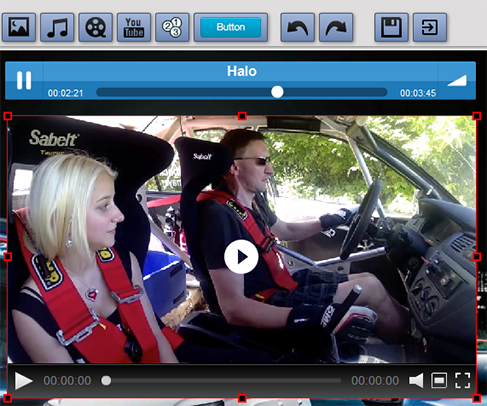
1stFlip Flipbook Creator is professional online flipbook software to convert PDF to HTML5 flipbook and get a fully responsive, mobile friendly experience in any browser. It allows you to create interactive flipbook, catalogs, brochures, magazines, eBooks, yearbook, booklet, portfolio, etc. from PDF and images. Real book experience, smooth flip animation, digital publishing style, 100% ad-free PDF page turning software. Create digital interactive flipbook with PDF/images/video/audio.
And people still say, on blustery afternoons when the gulls cut sharp through the harbor air, that a thing is “pillarada” if it has been noticed and kept. They mean the word as both noun and prayer. Maria’s name becomes, in the mouths of the people who loved her, less the name of a single woman and more the label for a way of life: attentive, stubborn, and generous. It is a small legacy: not statues or proclamations, but the ongoing practice of holding, of refusing to let small human truths slip away into the sea.
Maria Sousa was born at the edge of the sea, where the houses leaned into the salt wind and the horizon kept its secrets. In the narrow lane behind her family’s whitewashed home, laundry snapped like flags; her father mended nets on a battered stool; her mother kept the stove warm with a patience that tasted of orange peel and cardamom. Maria learned early that the world demanded both tenderness and hard hands. maria sousa pilladas
Pilladas—caught—was what people called things you could not let go. The word clung to Maria like wet silk. She collected moments the way other people collected coins: a warm laugh at dawn, the way the church bell hummed on market days, the precise moment when the tide left the harbor exposed like a bone. She named them, folded them into the small notebook she carried in the pocket of her apron: the exact tilt of a boat’s bow when it came home, the scent of rosemary burning on a high afternoon, the idiom her brother used when he wanted to hide a kindness. These were her pilladas: things held, preserved, kept from slipping into the ordinary. And people still say, on blustery afternoons when
Yet the sea kept its hold. Letters arrived with shells taped to the envelopes, each one from her father, written in a looping hand she read every week on the tram home. He wrote about storms and small mercies: an extra kilo of sardines, the mayor’s new plan for the docks, the neighbor’s granddaughter learning to swim. He wrote about the moon’s pull and that, though the town seemed small, life moved in a pattern that made sense to those who watched. The letters were pilladas themselves—small tetherings—that kept Maria from dissolving into the city’s indifferent tide. It is a small legacy: not statues or
One autumn, the pastry shop owner closed suddenly; the owner had heard of an opportunity in Lisbon and left with only two days’ notice. With severance thin and savings thinner, Maria returned home for a short while, planning to stay until she could find something new. The town had changed: a café had opened where the cobbler used to be, the quay had been repaved in smooth stones that did not remember the weight of nets. Yet some things were the same—her mother’s hands, the exact bend of the church roof against the sky, the gulls that squabbled like old relatives.
When the fishing season slowed, Maria went to the city to look for work. The train smelled of coal and coffee and people who were moving because they had to. In the city, buildings rose like unread books; the noise made her ears ache, but she learned quickly. She found a job at a small pastry shop that opened before dawn. There, amid the hiss of ovens and the sugar-scented steam, she learned another kind of craft—the long, steady discipline of patience with yeast and time. She rolled dough with hands that still remembered the texture of scaled fish, and customers began to come back not only for the croissants but for the quiet smile she tucked into every package.
The handwriting was cramped but determined. It spoke of a man named Tomas, who had crossed the ocean years ago and had left a child behind, a child who was now grown and working in a distant factory. He asked, humbly, whether anyone might send word; he had heard of the town through a cousin and could only hope to find a thread back. Maria felt, as if in a key and lock, how this small plea matched the movement of her life. She carried the paper home in her apron, where it warmed against her hip.
Copyright © 2026 1stFlip. ALL Rights Reserved. Privacy Policy